AG RENZ
Neuro-Immune Biology in Gastrointestinal Cancer and Transplantation
From Disease Biology to the Individual Patient

About Us
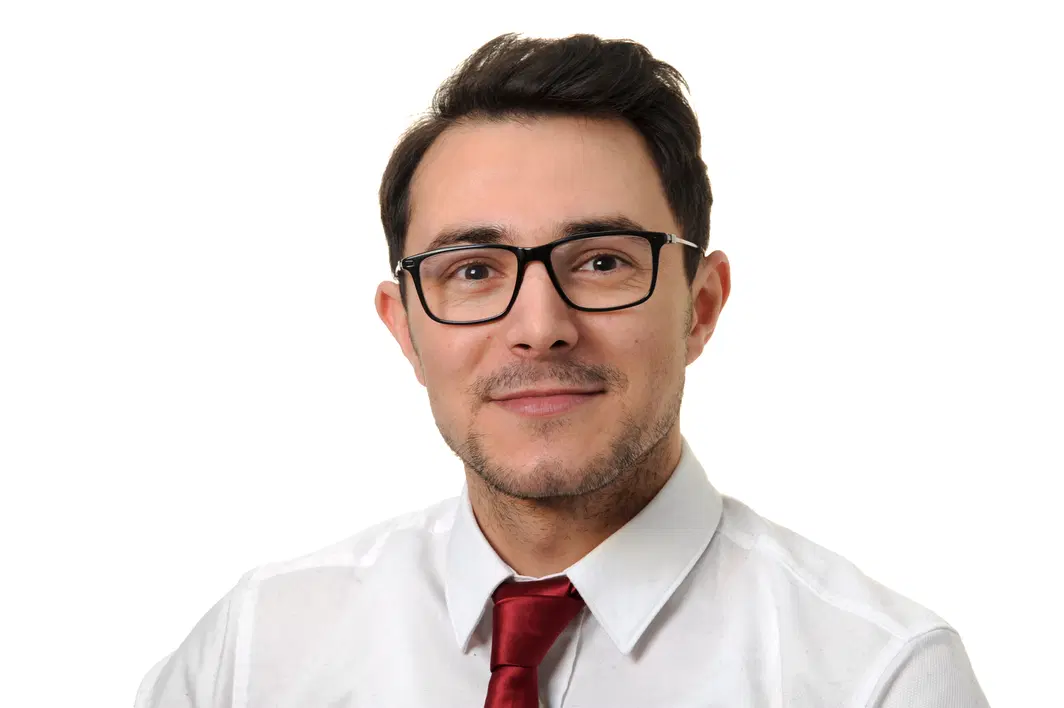
We are a translational research group under the direction of Bernhard Renz, our team studies how gastrointestinal cancers develop, progress, and respond to treatment, with a clinical-scientific focus on nerve-cancer interactions, the tumor microenvironment, and the surgical oncology of pancreatic cancer. Beyond cancer biology, our research also explores neuro-immune interactions in transplantation, with a particular focus on how the autonomic nervous system influences allograft rejection and transplant tolerance.
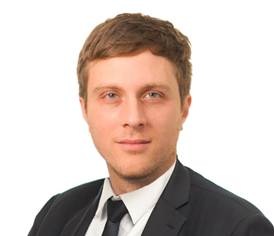
Our group also runs an experimental and translational platform led by Stefan Munker. He adds the oncological treatment perspective and develops novel patient derived tumor models and AI approaches. Each project starts from a clinical question and pairs clinical insight with advanced modeling to study tumor heterogeneity, resistance, and treatment response with maximal patient proximity
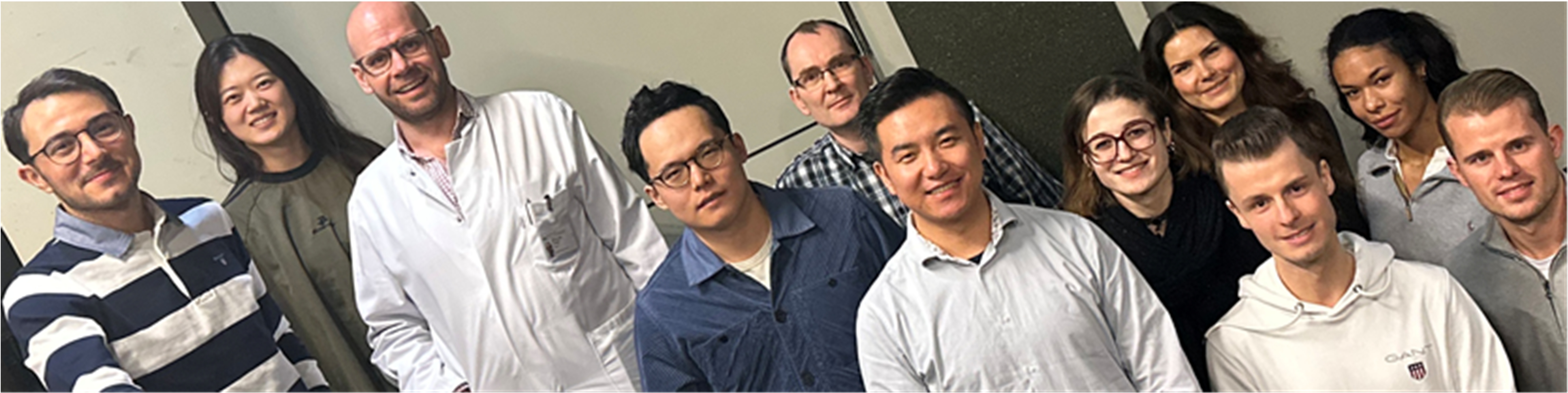
Current Members of the research group
- Dr. Ughur Aghamaliyev
- Dr. med. Felix Hofmann
- Dr. med Athanasios Zamparas
- Fr. Laura Laußer
- Hr. Leonard Richter
Infrastructure
Clinical embedding in surgical, gastroenterological, and endoscopic care enables prospective, standardized sourcing of patient-derived material, stored and procured through the departmental biobank and the HTCR Biobank (Human Tissue and Cell Research) under audited ethical and quality frameworks.
Models & Samples
- Fresh patient-derived tissues (esophageal, gastric, pancreatic, HCC, CCC, colorectal cancer) blood, and linked clinical data
- Patient-derived 3D tumor and organoid cultures & orthotopic mouse models
- Coculture systems modeling the tumor microenvironment, novel culture and reservoir systems
Techniques
- Bulk RNAseq and single cell Transcriptomics
- Functional drug testing on patient-derived models, Live-cell and high-content imaging
- AI- and computer-vision-based image analysis & AI-aided drug development
- Flow cytometry, genomics and sequencing, and histology (LMU core facilities)
Research Areas
Several areas connect one objective: to understand how gastrointestinal tumors respond to drugs and interact with their host and microenvironment, and to translate that into model-guided treatment strategies:
Neuro-Immune Biology in pancreatic cancer
The nervous system is an integral component of the tumor microenvironment and actively shapes cancer initiation, progression, and metastasis. We investigate how adrenergic, cholinergic, and neurotrophin signaling regulate tumor growth, stromal remodeling, angiogenesis, and anti-tumor immunity, and how nerves, immune cells, platelets, and stroma communicate to govern immune-cell trafficking and the response to immunotherapy. Current projects focus on the role of adrenergic signaling in the formation of high endothelial venules (HEVs) and the recruitment of anti-tumor immune cells, combining mechanistic studies with patient-derived samples to identify novel therapeutic targets and biomarkers.
Patient-Derived 3D Models and AI-Guided Drug Discovery
We develop patient-derived 3D tumor models and functional testing platforms for pancreatic, colorectal, and gastric tumors, extending to hepatocellular (HCC) and cholangiocellular (CCC) carcinoma. Organoid and coculture systems preserve the tumor microenvironment to study heterogeneity, resistance, and treatment response, combining functional drug testing, novel culture and reservoir systems, live-cell and high-content imaging, and AI- and computer-vision-based analysis to bring new strategies to patients faster. Current projects include a lymphocyte organoid coculture system and work on the transcriptional fidelity of organoids compared to primary tumor tissue.
Neuro-Immune Biology in Transplantation
The autonomic nervous system is a central regulator of immune homeostasis and critically influences the balance between allograft rejection and transplant tolerance. Building on our expertise in neuro-immune interactions, we investigate how adrenergic and cholinergic signaling pathways regulate antigen presentation, T-cell responses, myeloid-cell function, and the inflammatory microenvironment after solid organ transplantation. Our work aims to decipher how neural circuits orchestrate alloimmune responses and whether modulation of neuro-immune signaling can promote long-term graft acceptance while minimizing immunosuppressive therapy. Through the integration of mechanistic models and patient-derived biospecimens, we seek to identify novel biomarkers and therapeutic targets for precision transplantation medicine.
Translational Research, Clinical Cohorts, Biobanking
Our translational research bridges basic science and clinical practice through prospective patient cohorts, comprehensive biobanking, and biomarker discovery. By integrating molecular profiling with clinical data, we aim to identify diagnostic, prognostic, and predictive biomarkers that improve patient stratification and enable precision oncology. Current projects include prospective studies on pancreatic cancer, the association between chronic pancreatitis and pancreatic cancer tested directly on patient-derived material, perioperative biomarkers, and liquid biopsy approaches.
- Wu Y et al.; Renz BW. The Vitamin D3 Analog Calcipotriol Attenuates Pancreatic Cancer Malignancy via Downregulating Thrombospondin 1 in Pancreatic Stellate Cells. Mediators Inflamm. 2026;2026(1). doi: 10.1155/mi/2632235.
- Aghamaliyev U et al.; Renz BW. Short-term surgical outcomes for patients with non-functional pancreatic neuroendocrine tumors are unaffected by chronological age. Surg Open Sci. 2026; 31:37-41. doi: 10.1016/j.sopen.2026.03.002.
- Knoblauch M et al.; Renz BW. In-vitro model to mimic T cell subset change in human PDAC organoid co-culture. J Cancer Res Clin Oncol. 2023; 149:13051-13064.
- Renz BW et al. β2 Adrenergic-Neurotrophin Feedforward Loop Promotes Pancreatic Cancer. Cancer Cell. 2018;33(1):75-90.e7.
- Renz BW et al. Cholinergic Signaling via Muscarinic Receptors Directly and Indirectly Suppresses Pancreatic Tumorigenesis and Cancer Stemness. Cancer Discovery. 2018;8(11):1458-1473.
- Aghamaliyev U et al.; Renz BW. „The Critical 18” of postoperative white blood cell count and C-reactive protein level predicts postoperative pancreatic fistula after distal pancreatectomy. Accepted in Patient Safety in Surgery.
- Aghamaliyev U et al.; Renz BW. Bots in white coats: are large language models the future of patient education? A multicenter cross-sectional analysis. Int J Surg. 2025;111(3):2376-2384. doi: 10.1097/JS9.0000000000002250.
- Hofmann FO et al.; Renz BW. Validation of body composition parameters extracted via deep learning-based segmentation from routine computed tomographies. Sci Rep. 2025;15(1):11909. doi: 10.1038/s41598-025-96238-6.
- Aghamaliyev U et al.; Werner J. Hyperlipasemia in the immediate postoperative period predicts postoperative pancreatic fistula after pancreatic resections. Surgery. 2024;176(6):1732-1738. doi: 10.1016/j.surg.2024.09.005.
- Aghamaliyev U et al.; Renz BW. ChatGPT's Gastrointestinal Tumor Board Tango: A limping dance partner? Eur J Cancer. 2024; 205:114100. doi: 10.1016/j.ejca.2024.114100.
- Sagmeister P et al.; Munker S. Comparative Response of HCC Cells to TKIs: Modified in vitro Testing and Descriptive Expression Analysis. J Hepatocell Carcinoma. 2022; 9:595-607. doi: 10.2147/JHC.S356333.
- Ben Khaled N et al.; Munker S. Changing treatment landscape associated with improved survival in advanced hepatocellular carcinoma: a nationwide, population-based study. Eur J Cancer. 2023; 192:113248. doi: 10.1016/j.ejca.2023.113248.
- Munker S et al.; De Toni EN. Prognostic Significance of Elevated Platelet Count (>200 x 10^9 per L) in BCLC Stages B and C of Hepatocellular Carcinoma: A Retrospective Multicenter Analysis. J Hepatocell Carcinoma. 2025; 12:855-864. doi: 10.2147/JHC.S511263.
Doctoral students
- cand. med. Daqian Zhang
- cand. med. Ruochan Li
- cand. med. Zhongyang Jiang,
- cand. med. Xun Zhang,
- cand. med. Jingchen Mei
- cand. med. Gwendolin Seidel
- cand. med. Yannick Meyer
cand. med. Ann-Cathrin Hild
cand. med. Carla Lipke
cand. med. Gulnar Jafarova
cand. med. Felix Beger
Cooperation Partners:
- Prof. Weiwei Sheng, Department of General Surgery, the First Affiliated Hospital of Anhui Medical University, Hefei, China
- Dr. Qilong Geng, Department of General Surgery, the First Affiliated Hospital of Anhui Medical University, Hefei, China
- PD Dr. rer. nat. Hellen Ishikawa-Ankerhold, Medizinische Klinik und Poliklinik I, LMU Klinikum
- PD Dr. med. Matthias Ilmer, Klinik für AVT-Chirurgie, LMU Klinikum
- Dr. med. Alexander Frank, Klinik für AVT-Chirurgie, LMU Klinikum
- Dr. med. Christian Heiliger, Klinik für AVT-Chirurgie, LMU Klinikum
- Prof. Timothy C. Wang, Columbia University New York
- PD Dr. med. C. Benedikt Westphalen, Medizinische Klinik und Poliklinik III
- PD Dr. med. Georg Beyer, Medizinische Klinik und Poliklinik II
- Prof. Dr. med. Sebastian Kobold, Institut für Klinische Pharmakologie, LMU Klinikum
- Prof. Dr. med. Jens Neumann, Universitätsinstitut für Pathologie, Klinikum Nürnberg, Campus Nord
- Dr. Grzegorz Popowicz, Helmholtz Zentrum München
- Dr. Honglei Weng, Department of Gastroenterology, Hepatologie, Infektiologie, Universitätsmedizin Mannheim
- Prof. Stefan Zahler, Department für Pharmazie, LMU München
- Dr. Peter Amersdorfer HTCR Services GmbH
- Dr. Johannes Bange, LDC GmbH
- Dr. Zeno Guttenberg, Ibidi GmbH
Funding
Prof. Dr. med. Bernhard W. Renz: Deutsche Krebshilfe (Akronym: PreCyZe), DFG (Akronym: PyloResPres), BMBF EPICYCLE, FöFöLe (LMU), DKTK, BMBF Conform (with Dr. Alexander Frank); PD Dr. med. Stefan Munker: DATIpilot (BMBF), Bayerische Validierungsförderung, GO-Bio initial, FöFöLe (LMU)
Positions
If you are curious and want to help shape how patients are treated in the future, join us. We welcome students and researchers interested in translational gastrointestinal oncology, with openings for medical doctoral candidates (Dr. med.), natural-science doctoral students (Dr. rer. nat.), and postdocs in tumor biology, immunology, or bioengineering and computational analysis. Please send a short statement of research interest and a CV to Bernhard.Renz@med.uni-muenchen.de or stefan.munker@med.uni-muenchen.de