News | 23/06/2026
OUTSTANDING RESEARCH

ERC Advanced Grant for Prof. Martin Kerschensteiner

 New targets for multiple sclerosis therapy
Professor Martin Kerschensteiner, along with two other LMU researchers, has been awarded an Advanced Grant by the European Research Council (ERC). The grants, totaling up to 2.5 million euros, will support highly innovative research projects that go beyond the current state of the art and open up new areas of research.
Professor Martin Kerschensteiner is Director of the Institute of Clinical Neuroimmunology and spokesperson for the Biomedical Center at LMU. He is also a member of the SyNergy Cluster of Excellence.

Multiple sclerosis (MS) is the most common cause of neurological disability in young adults. In this chronic inflammatory disease, the immune system attacks the brain and spinal cord, damaging nerve fibers. Myeloid cells such as macrophages, monocytes, and microglia are main effectors of tissue damage across disease stages. However, it is still poorly understood which signals control these cells.

Kerschensteiner wants to close this gap in our knowledge with his project TACO (Targeting myeloid cell states, actions and interactions in neuroinflammation) that aims to establish new strategies to leverage the potential of modern single-cell technologies: Instead of analyzing tissue only as a bulk average, scientists can use these tools to examine the genetic make-up and functional behavior of individual cells in detail. This allows them to capture complex disease processes with a level of precision that was previously unattainable. “I believe that if we want to unlock the true potential of the single-cell revolution for patients, we need to find new ways to interrogate cellular states, actions, and interactions at scale and in vivo,” emphasizes the neuroimmunologist.

Identifying promising signaling pathways in myeloid cells

The goal of his project is to enable efficient targeting of myeloid cells. In preparation, he has acquired highly-resolved datasets that allow him to capture the signals that myeloid cells receive across disease trajectories in MS. Now he wants to identify which of these signals are best suited as targets for therapeutic interventions.

Kerschensteiner and his team will begin by developing novel in-vivo CRISPR screening methods to systematically uncover the essential control mechanisms of myeloid cells in MS models. Next, they will combine CRISPR manipulations with single-cell analysis, multi-photon microscopy, and spatial transcriptomics to delineate how these signals define the cell states, functions, and interactions in the inflamed central nervous system. Finally, they will identify the signaling pathways best suited for therapeutic intervention based on their activity across various disease stages and lesion sites.

“The aim of TACO is to unlock the potential of existing and emerging (multi)omics datasets for the design of therapeutic interventions targeted to disease stages, lesion sites, and cellular states,” says Kerschensteiner. “We hope that this project will provide new approaches for the treatment of MS and build a versatile pipeline that can be readily adapted to other neurological conditions to which myeloid cells contribute.”


In addition, LMU philosopher Alyssa Ney and LMU chemist Thomas Carell were each awarded an Advanced Grant by the European Research Council (ERC): see the LMU press release

Contact

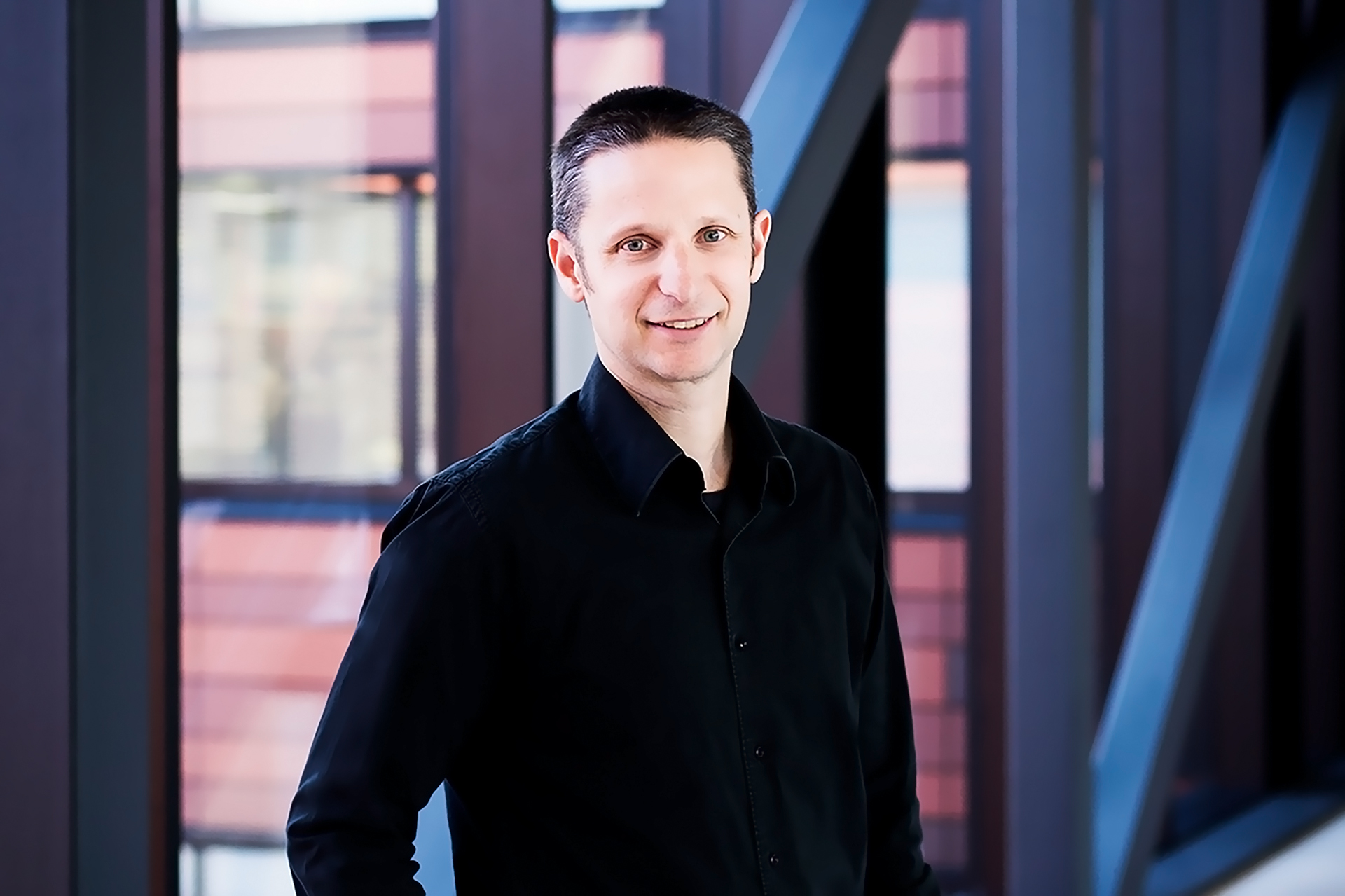
Prof. Dr. Martin Kerschensteiner

Director of the Institute of Clinical Neuroimmunology, LMU University Hospital Munich 

Originally translated with DeepL